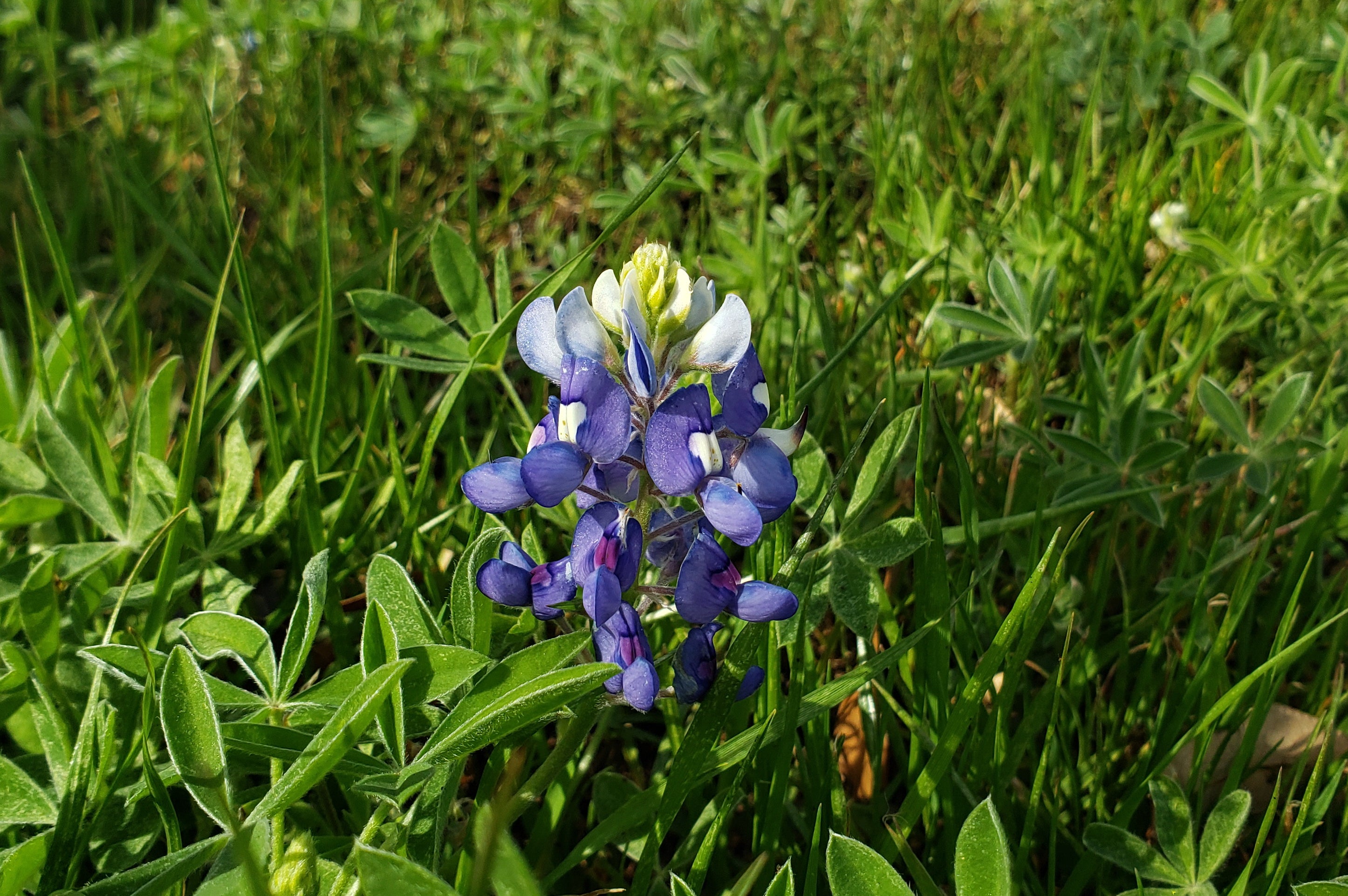


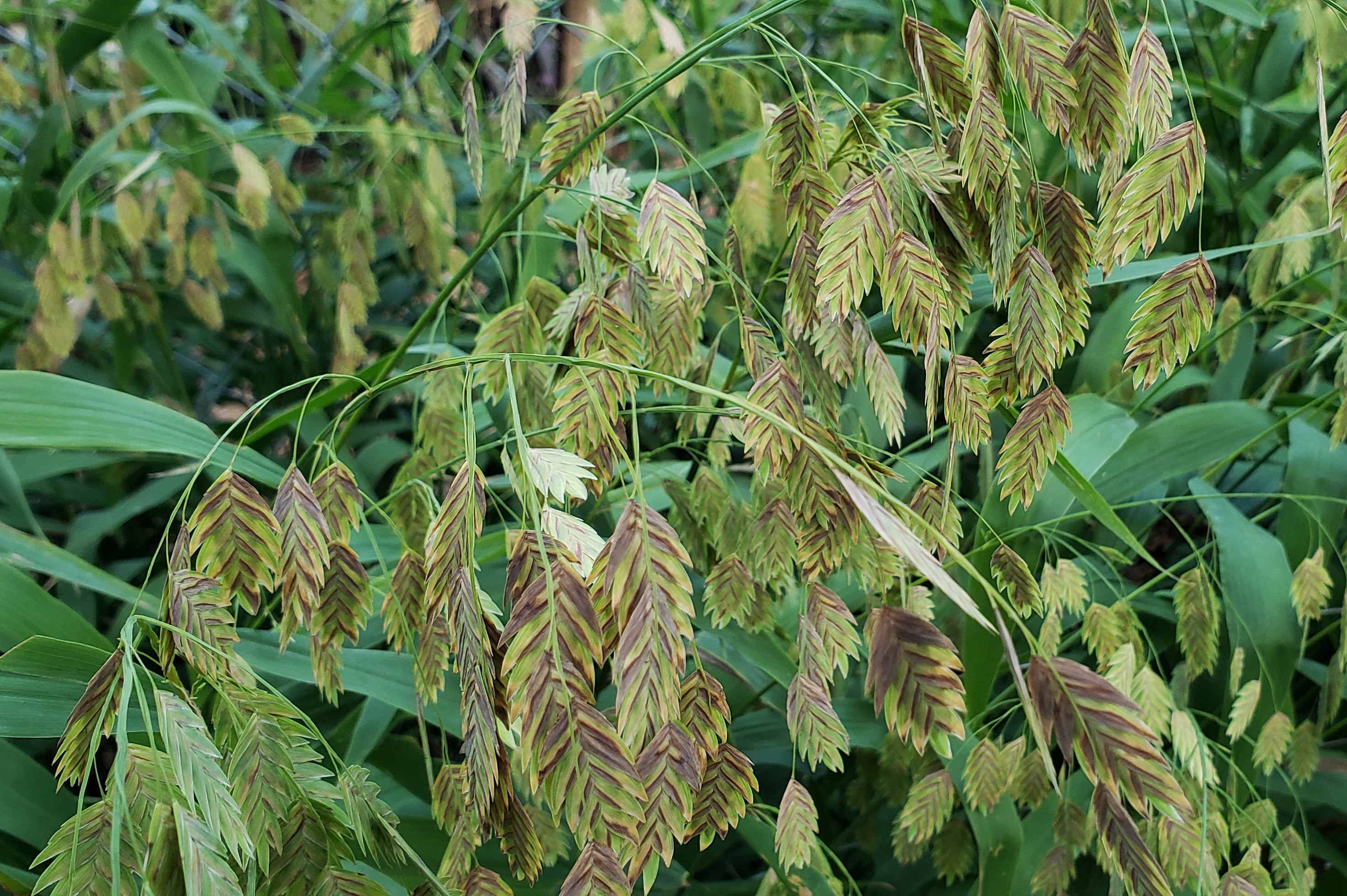

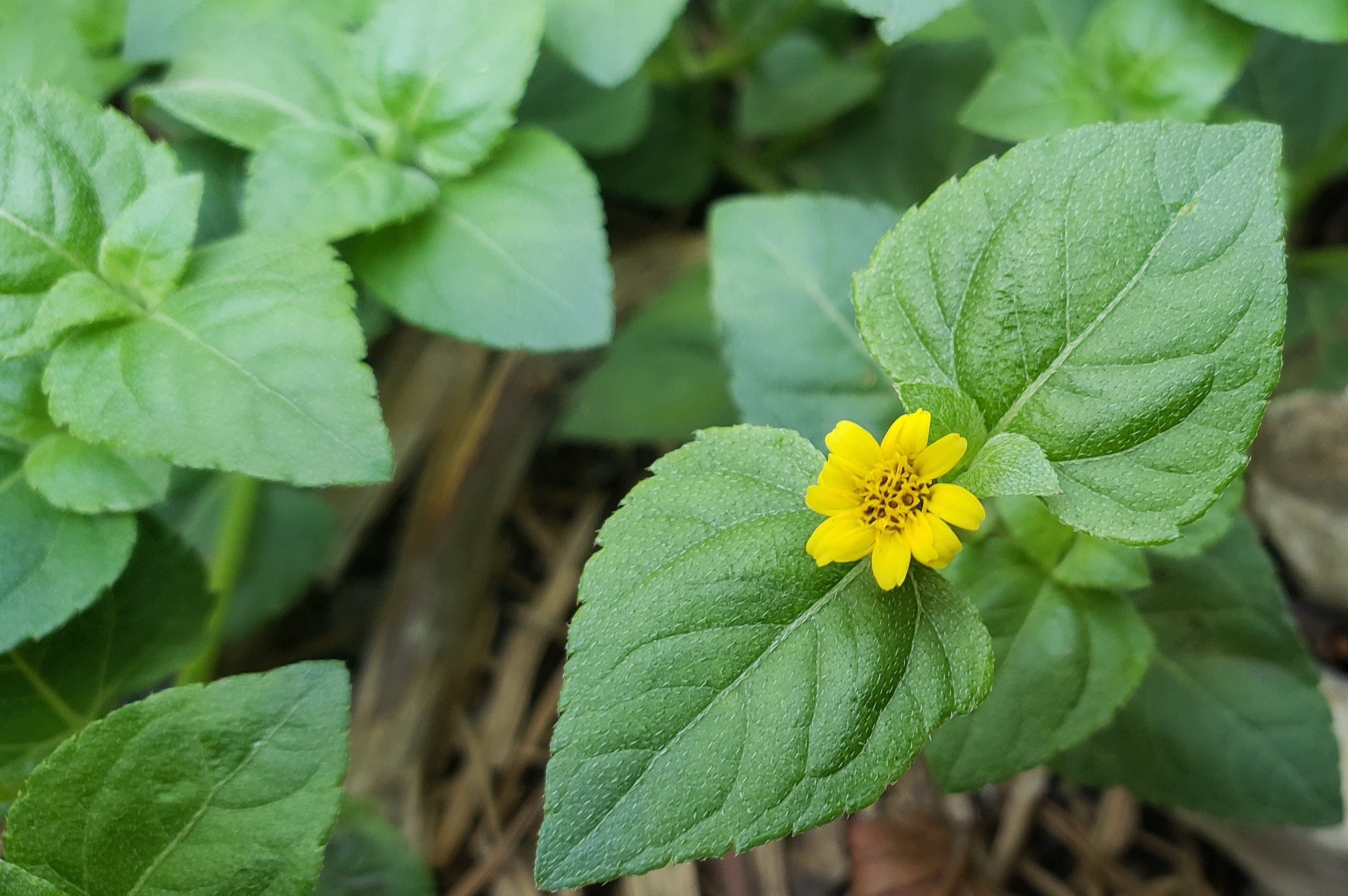


Once you’ve gone native in your garden, you’re well on your way to creating a “wildscape.” Wildscaping is the intentional development of natural habitat that attracts wildlife, especially birds and butterflies. Whether it’s in one corner of your backyard or across your entire property, wildscapes provide all the major elements of habitat: food, water, shelter, and space.

Wildscapes have a number of elements in common. They provide natural food sources and fresh water for drinking and bathing, whether from a small dish, a fountain, a birdbath, or a small pond. Some have nesting boxes for growing families. Some have rock formations for lizards to climb on. Some are fertilized with compost and irrigated with rainwater.

With wildscaping, you’re taking an active part in creating a safe place for wildlife to live, not just to visit. And it can be far more fun and interesting than maintaining a pristine garden. When fall leaves fall, leave some for behind for natural fertilizer. Leave dead trees in place to create small shelters or “snags” that provide cover for critters. Better yet, build your own snags out of logs and branches. Create different layers in your garden with plants of different heights, from ground cover to shrubs to trees. Wildlife will love the playground you’ve constructed.

Most importantly, minimize use of non-native plants, eliminate invasive species, and don’t use insecticides. Making your wildscape an insecticide-free zone only makes sense, as no wildlife habitat is complete without insects. Insecticides are non-selective and will kill beneficial insects along with the unwanted ones. Creating a healthy, balanced wildscape will help control pests naturally while attracting those that wildlife enjoy.

